When people ask, “what is moisture wicking fabric made of,” they often expect one simple answer. There is not one universal fiber. Moisture-wicking textiles usually combine synthetic fibers, natural materials, or engineered blends. Polyester is common because it is lightweight, durable, and dries quickly. Nylon can add softness, stretch, and abrasion resistance. Polypropylene is also used for fast-drying sports layers. Each fiber behaves differently against skin and water.
The fabric’s performance depends on more than its fiber name. Manufacturers may change yarn shape, fabric density, knit structure, and surface treatments. A fine polyester shirt can move sweat through tiny spaces, while a tightly woven version may feel warmer. Some athletic fabrics include elastane for flexibility, although elastane itself is not usually the main moisture-moving fiber. During product testing, professionals examine drying time, absorbency, breathability, and comfort after repeated washing. Real use matters. A shirt may dry quickly outdoors but feel clammy under a backpack.
Read the fiber label carefully. Marketing terms can sound more precise than they are. “Wicking” may describe a tested construction, or simply a brand’s broad description. That distinction deserves attention. I have found that fabric weight, fit, and climate can change the experience as much as fiber content. A loose polyester blend may feel cooler than a tight, heavily treated one. Natural fibers such as merino wool can manage moisture differently through absorption and vapor movement. Cotton may feel comfortable initially, but it often holds sweat longer. The reliable answer comes from combining the label, construction details, care instructions, and credible performance testing. There is still room for doubt. No fabric remains perfect in every activity, temperature, or washing condition.
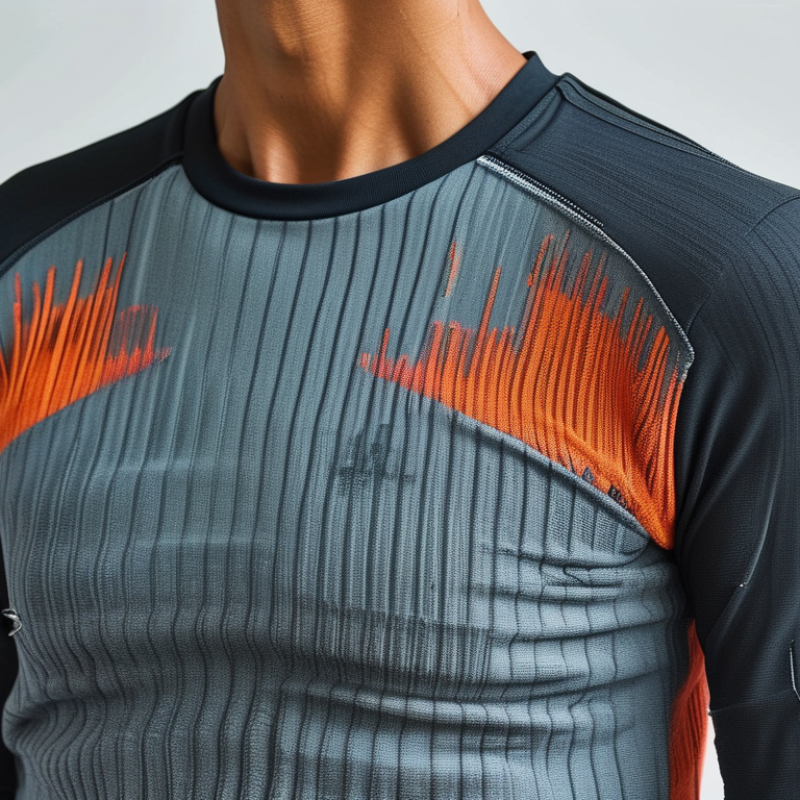
Moisture-wicking fabric means a textile designed to move sweat away from the skin. It does not simply absorb moisture like a towel. Instead, it spreads liquid across the fabric surface, where airflow and heat can help it evaporate. The result can feel drier during exercise, although performance varies with humidity, garment fit, and fabric thickness.
Most moisture-wicking materials use synthetic fibers. Polyester is common because it is lightweight, durable, and dries quickly. Nylon can offer a smooth, flexible feel. Polypropylene moves moisture efficiently but may feel less familiar against the skin. Blended fabrics combine fibers to balance softness, stretch, strength, and drying speed. The fiber content matters, but it is not the whole story. Knitting matters too. A tightly knitted fabric may move sweat differently from a lightweight mesh.
During a basic wear test, notice where sweat collects. A good fabric should not leave heavy, cold patches around the chest or back. I once assumed every quick-dry shirt would feel equally comfortable. That assumption was incomplete. Some fabrics dry fast but trap odor or feel rough after repeated washing. Care instructions also affect performance, so practical testing is useful.
Tips: Check the fiber label and fabric weight. Hold the material near a fan. Watch how quickly a small water drop spreads. Consider comfort, not speed alone.
| Fiber or Fabric Type | Typical Material Composition | Moisture Regain at Standard Conditions | Moisture-Wicking Performance | Drying Speed | Breathability and Comfort | Common Construction or Finish | Best-Suited Uses |
|---|---|---|---|---|---|---|---|
| Polyester | Man-made synthetic polymer, usually polyethylene terephthalate (PET). | Approximately 0.4% | High | Very fast | Lightweight and durable; comfort depends strongly on yarn shape and fabric structure. | Capillary-channel yarns, mesh structures, brushed surfaces, or hydrophilic finishes. | Sportswear, base layers, uniforms, and quick-dry garments. |
| Polyamide (Nylon) | Man-made synthetic polyamide fiber. | Approximately 4% | Moderate to high | Fast | Soft, smooth, and abrasion-resistant; may feel less dry than polyester after heavy sweating. | Fine filament yarns, knitted channels, mesh, or moisture-management finishes. | Activewear, swimwear, socks, and lightweight outdoor clothing. |
| Polypropylene | Man-made synthetic polyolefin fiber. | Approximately 0.05% | High | Very fast | Extremely lightweight and highly hydrophobic; limited moisture absorption can reduce odor control. | Multichannel yarns, open-knit structures, or layered fabric systems. | Thermal base layers, performance underwear, and low-weight sports garments. |
| Cotton | Natural cellulose fiber from the cotton plant. | Approximately 8.5% | Low in standard fabrics | Slow | Soft and breathable, but it absorbs liquid and can remain wet against the skin. | Moisture-wicking performance requires special yarn engineering or chemical finishes. | Casual clothing, everyday shirts, and low-intensity activities. |
| Merino Wool | Natural protein fiber obtained from sheep fleece. | Approximately 14–16% | Moderate | Slow to moderate | Absorbs moisture vapor, helps regulate temperature, and can reduce the perception of dampness. | Fine-gauge knitting, lightweight jersey, or blended yarns. | Hiking clothing, travel garments, and temperature-regulating base layers. |
| Rayon / Viscose | Regenerated cellulose fiber made from dissolved and re-formed cellulose. | Approximately 11% | Moderate | Slow to moderate | Soft and absorbent, but can retain moisture and may lose strength when wet. | Blended structures, lightweight knits, or surface treatments. | Casualwear, soft base garments, and breathable fashion fabrics. |
| Polyester–Spandex Blend | Commonly polyester blended with a smaller proportion of elastane for stretch. | Usually close to the polyester component, depending on blend ratio. | High | Fast | Stretchy, supportive, and suitable for close-fitting garments; higher elastane content may slow drying. | Four-way stretch knits, mesh panels, and engineered sweat zones. | Leggings, compression wear, training tops, and cycling apparel. |
| Polyester–Cotton Blend | A blend of synthetic polyester and natural cotton; the ratio varies by product. | Depends on the polyester-to-cotton ratio. | Moderate | Moderate | Balances cotton softness with polyester durability, but usually dries more slowly than 100% polyester. | Blended yarns, textured knits, mesh zones, or durable performance finishes. | Workwear, school uniforms, casual sportswear, and everyday garments. |
| How to identify a moisture-wicking fabric: Check the fiber content, look for synthetic fibers or engineered wool blends, and review the fabric construction. Moisture wicking is not determined by fiber type alone; yarn shape, knit or weave structure, fabric weight, surface area, and finishes can all affect how quickly sweat spreads and evaporates. Moisture regain values are approximate and can vary with test conditions and fiber processing. | |||||||
: It moves sweat away from your skin. The moisture spreads across the surface and evaporates faster.
No. A towel holds moisture. Wicking fabric spreads moisture to support evaporation.
Polyester, nylon, and polypropylene are common choices. Merino wool can also manage moisture differently.
Usually, no. Cotton absorbs sweat and may stay heavy and damp during long workouts.
No. Its performance depends on processing, yarn structure, and fabric construction.
They can. Nylon and polyester may balance smoothness, strength, and drying speed. Small fiber percentages still matter.
Yes. Elastane adds stretch, but too much may slow drying.
Place a small water drop on the inner surface. Good wicking fabric spreads it instead of forming one dark spot.
Check your chest and back. Heavy, cold patches may show poor moisture movement or limited breathability.
Neither matters alone. Knitting, thickness, yarn spacing, fit, airflow, and humidity also affect comfort.
Yes. Oils, detergent residue, and fabric softener may block moisture pathways. Follow the care label carefully.
Not always. A fabric may dry quickly but feel rough, trap odor, or become clammy in still air.
Understanding what is moisture wicking fabric made of starts with its fiber content and construction. Moisture-wicking fabric is designed to pull sweat away from the skin, spread it across the surface, and help it evaporate more quickly. Common fibers include polyester, nylon, polypropylene, merino wool, and certain regenerated or plant-based fibers. Each material handles moisture differently: synthetic fibers are often lightweight and fast-drying, while wool can absorb vapor and help regulate body temperature.
Fiber structure also plays an important role. Fine filaments, specially shaped yarns, surface treatments, and knitted channels can improve capillary movement and airflow. To identify a fabric’s fiber content, check the care label, product specifications, or perform a professional textile test when necessary. Blended fabrics combine the strengths of multiple fibers, potentially improving softness, durability, stretch, odor control, or drying speed. However, the best blend depends on the intended activity, climate, and desired comfort, since fiber type alone does not determine overall moisture-wicking performance.

 Jedia Clothing