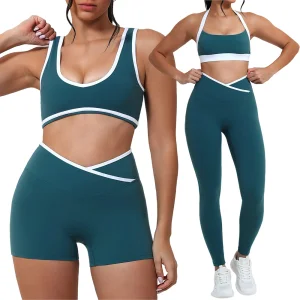
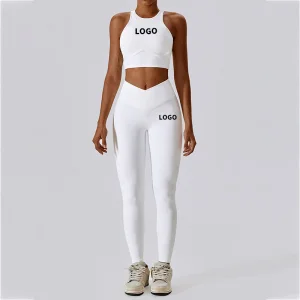
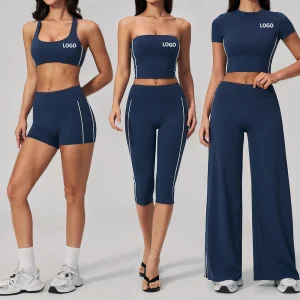
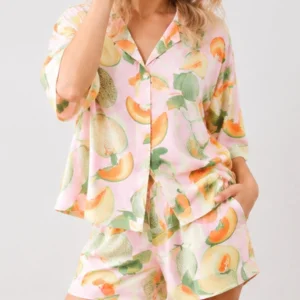
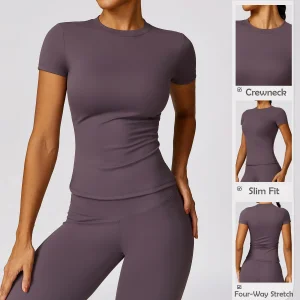
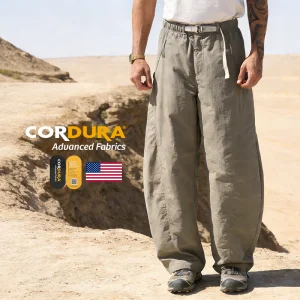
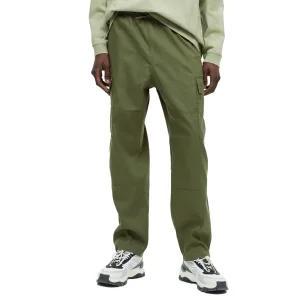
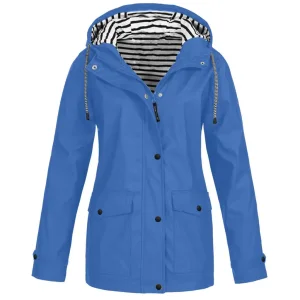
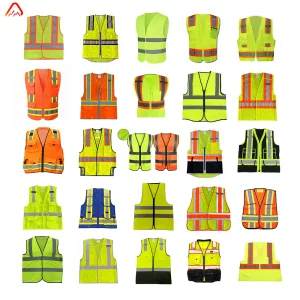
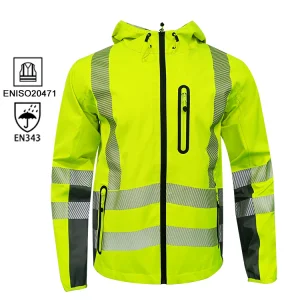
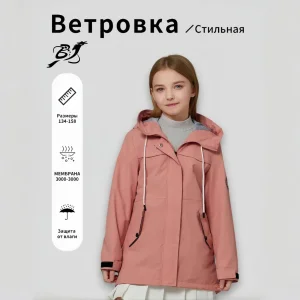
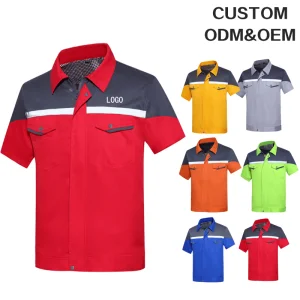
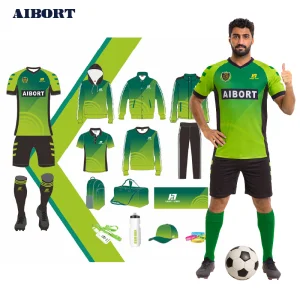
Explore our premium product line featuring high-performance sportswear, performance activewear, and luxury loungewear designed for global exports.
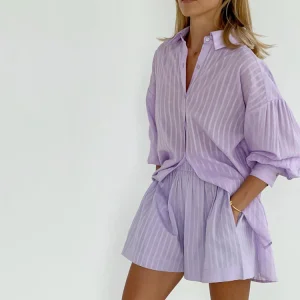
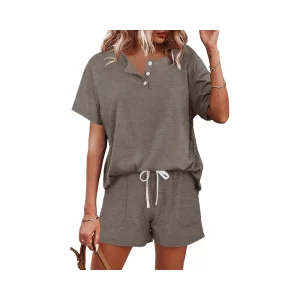
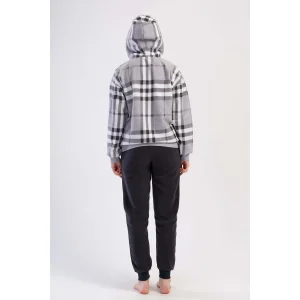
The global outerwear market has transitioned from traditional thermal protection to a multi-functional, tech-driven, and highly specialized ecosystem. As international brands demand faster lead times, sophisticated raw materials, and strict ESG compliance, China continues to solidify its role as the dominant manufacturing and exporting hub for technical outerwear. China's superiority lies not only in raw assembly capacity but in the unparalleled depth of its integrated supply chain. From synthetic yarn extrusion and advanced membrane laminators to high-performance seam sealing and custom accessory fabrication, the concentration of materials in regional industrial hubs like Shenzhen, Jiangsu, and Zhejiang reduces time-to-market and minimizes supply chain disruption.
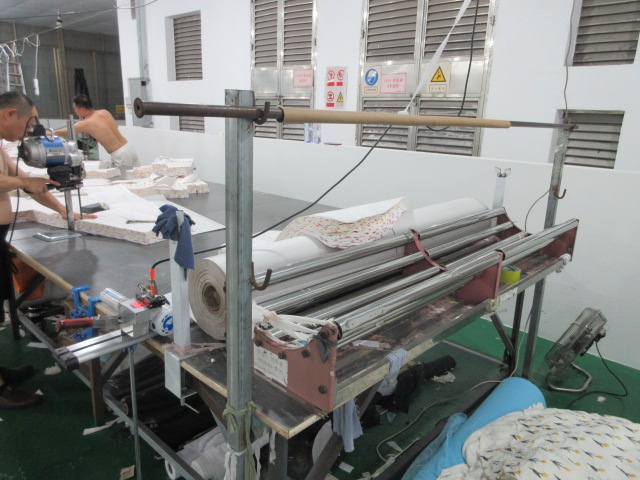
Furthermore, Chinese outerwear manufacturers have actively adopted automated production lines, AI-assisted nesting systems, and computer-aided design (CAD). This integration allows for precise pattern matching, minimized fabric waste, and rapid prototyping capabilities. The result is a highly adaptive production environment that easily accommodates shifts in consumers' demands, whether for high-tech outdoor windbreakers or luxury insulated street activewear.
Performance outerwear requires complex layering systems to balance protection and breathability. Top Chinese exporters work with specialized membranes and finishes to deliver high-performance jackets, reflective gear, and activewear. Crucial material technologies include:
When sourcing windbreakers, safety apparel, or activewear, professional buyers specify hydrostatic head pressure resistance (measured in mm) and moisture vapor transmission rates (MVTR, measured in g/m²/24h). Top factories operate in-house testing labs equipped with hydrostatic testers and tensile strength testers to verify compliance with EN ISO standards, ASTM standards, and OEKO-TEX certification requirements before production begins.
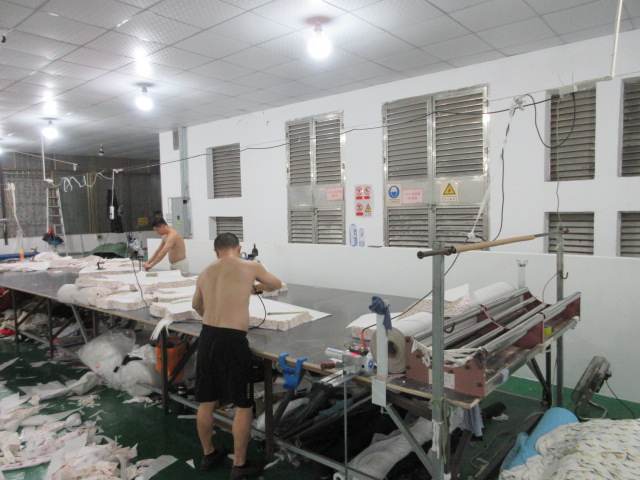
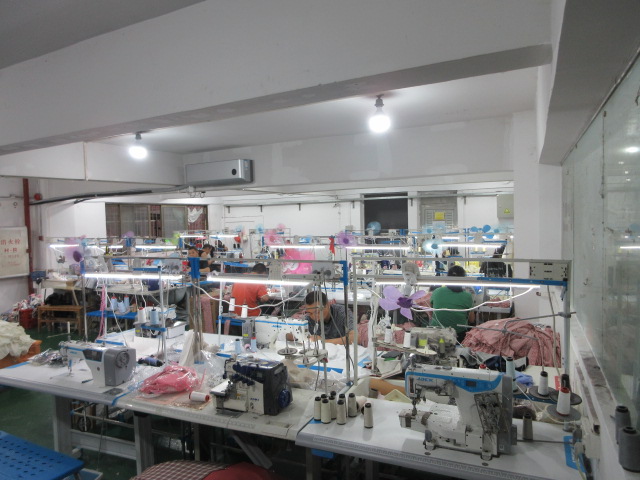
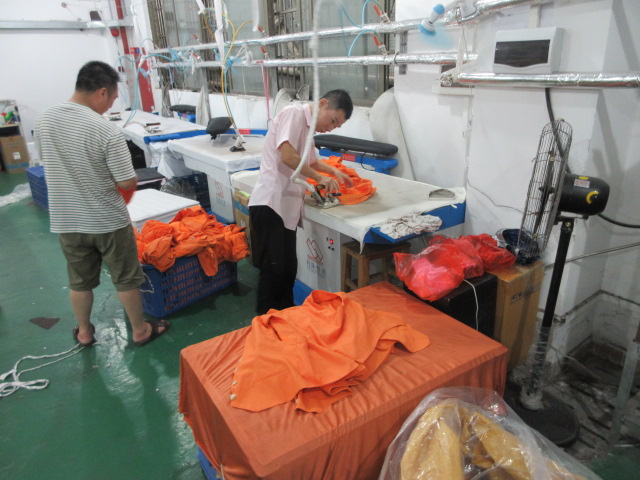
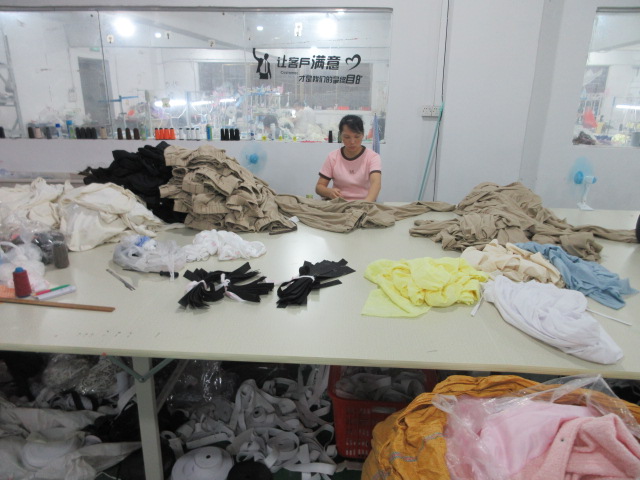
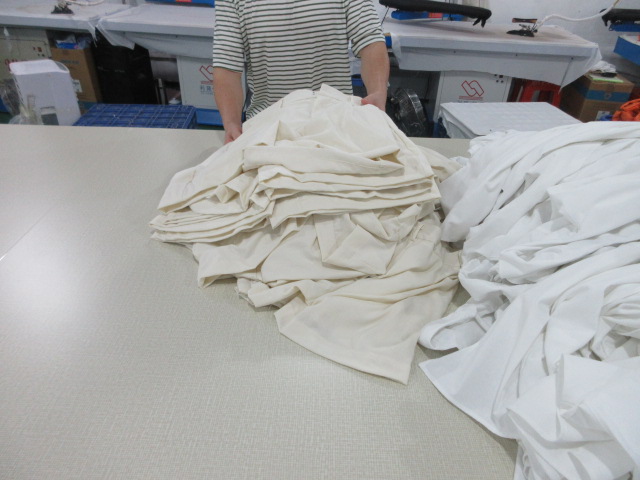
Shenzhen Jedia Clothing Co., Ltd. stands as a professional garment manufacturer committed to delivering high-quality fashion apparel and reliable OEM/ODM solutions to global brands. Based in the industrial hub of Shenzhen, China, Jedia has built a strong reputation for combining skilled craftsmanship, efficient production, and flexible manufacturing services to meet the diverse needs of customers worldwide.
With years of experience in the apparel industry, Jedia specializes in the development and production of a wide range of women's fashion, including dresses, blouses, tops, skirts, pants, knitwear, resort wear, crochet garments, activewear, loungewear, and customized fashion collections. We work closely with fashion brands, wholesalers, retailers, e-commerce sellers, and department stores to transform creative ideas into market-ready products.
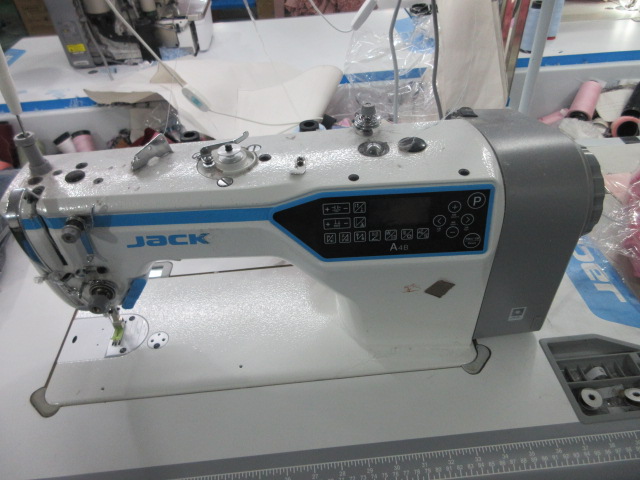
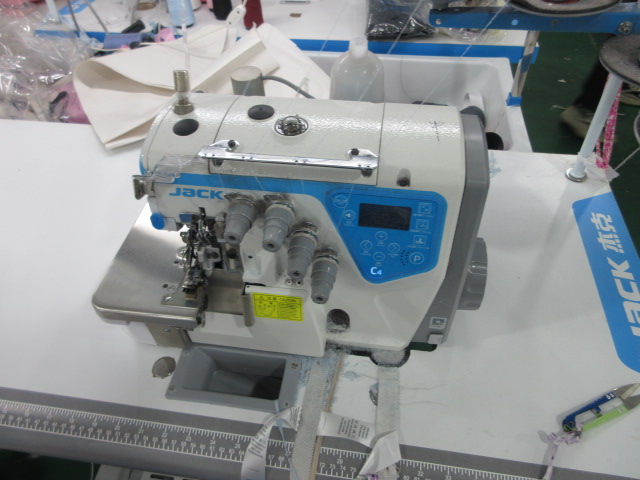
Our experienced team consists of professional designers, product developers, pattern makers, merchandisers, production managers, quality control specialists, and skilled sewing technicians. Every stage—from fabric sourcing and sample development to bulk production, quality inspection, and shipment—is managed under strict quality standards to ensure consistency, efficiency, and customer satisfaction. At Jedia, we understand that every brand has unique requirements, offering flexible OEM/ODM manufacturing services, low minimum order quantities for selected styles, rapid sample development, and customized solutions tailored to our clients' business goals.
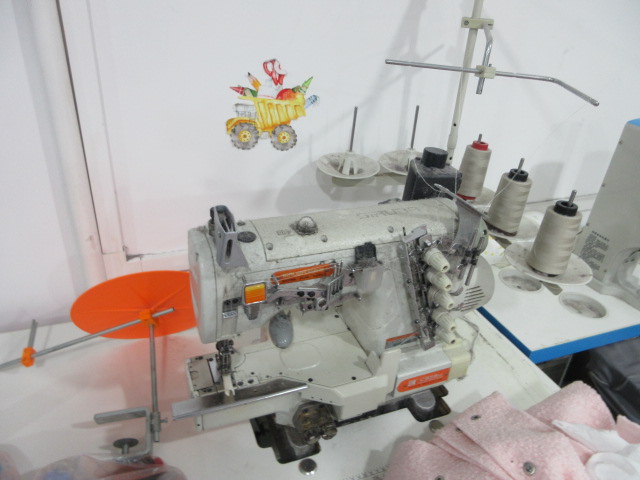
Outerwear sourcing requirements differ significantly depending on the target market, local climate, and regulatory landscape. Professional sourcing managers must categorize their purchases based on distinct regional scenarios:
In the modern retail environment, high-quality production must align with strict corporate social responsibility (CSR) and environmental, social, and governance (ESG) standards. Leading Chinese garment exporters maintain certifications that guarantee safe working conditions and eco-friendly manufacturing:
Working with partners like Shenzhen Jedia Clothing Co., Ltd. allows brands to secure documentation and compliance certificates, ensuring smooth customs clearance and protecting brand reputation in international markets.
Key technical insights regarding outerwear manufacturing, quality standards, and export logistics from China.
Select from our heavy-duty outdoor pants, high-visibility protective gear, and durable lifestyle jackets engineered for performance.
 Jedia Clothing