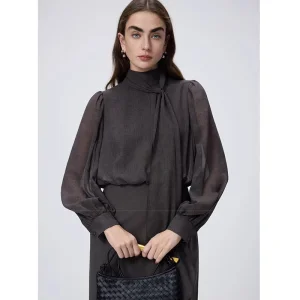
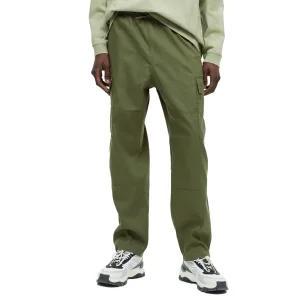
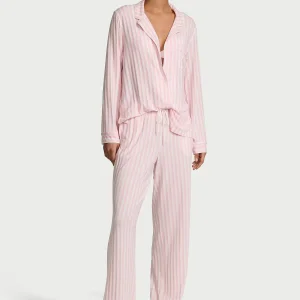
Explore our curated industrial workwear, corporate uniforms, and customized protective apparel engineered for reliability and comfort.
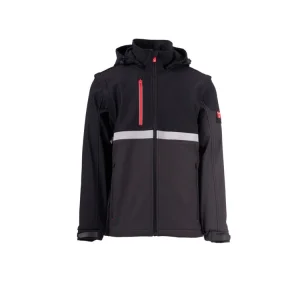
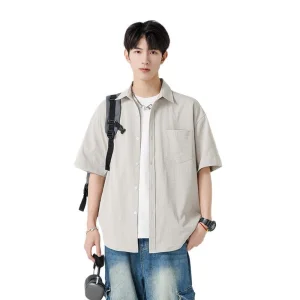
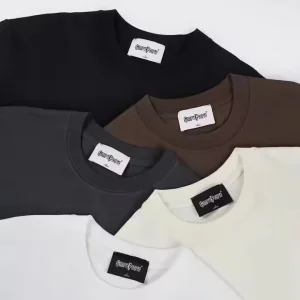
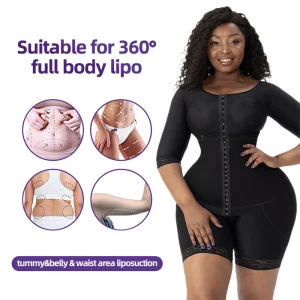
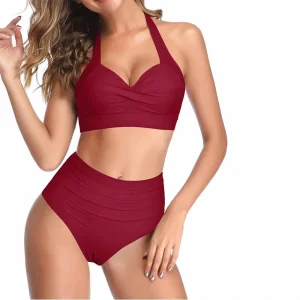
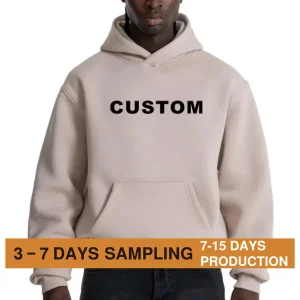
Analysing the shifts in regulatory safety, ergonomic design, and technological integration in heavy-duty utility wear.
Global standards such as ANSI/ISEA 107 for high visibility and NFPA 2112 for flame resistance have shifted coveralls from general utility to highly regulated personal protective equipment (PPE). Factories must offer validated chemical resistance, arc-flash barriers, and thermal protective performance (TPP).
Long work shifts in harsh environments require smart venting, mechanical stretch panels, and articulated joints. Modern workwear prioritizes lightweight, high-tensile ripstop blends that do not compromise durability for breathability, thereby reducing wearer fatigue and heat stress.
The dawn of Industry 4.0 has introduced RFID tracking into workwear rental services and smart sensor integration within protective coveralls. B2B purchasers require suppliers to design garments ready for embedded IoT devices and tracking solutions.
As the worldwide industrial sector expands across oil and gas, green energy installations, marine logistics, and high-tech automotive factories, the global demand for performance-focused overalls is reaching new heights. Heavy-duty industries are abandoning generic imports in favour of custom OEM overalls manufacturers who can engineer exact fabric weights, pocket architectures, and reinforced points that match specific industrial operations.
By leveraging custom manufacturing pipelines, procurement managers can integrate proprietary brand colors, specific industrial-wash durability ratings, and specialized accessory attachments (such as communications harnesses and heavy gas detectors) directly into the garment pattern. This minimizes secondary modification costs and guarantees complete structural compliance.
A comprehensive procurement guide detailing the metrics that drive return on investment (ROI) in industrial workwear supply chains.
Managing the procurement pipeline for hundreds of thousands of factory uniforms requires deep analytical rigor. The modern chief procurement officer (CPO) evaluates global OEM/ODM overall manufacturers on more than just the FOB unit cost. The total cost of ownership (TCO) calculation for overalls must evaluate several critical areas:
Understanding these critical variables ensures corporate purchasing agents secure high-durability gear that performs in high-stress situations. By maintaining key relationships with factories that handle raw fiber sourcing and pattern design in-house, businesses can bypass intermediates, compress prototype lead times, and optimize overall logistics expenses.
OEM/ODM Customization
Industrial Wash Endurance
Quality Standard Certified
Supply Chain Traceability
How the integration of digital systems, automated cutting, and flexible manufacturing guarantees on-time delivery.
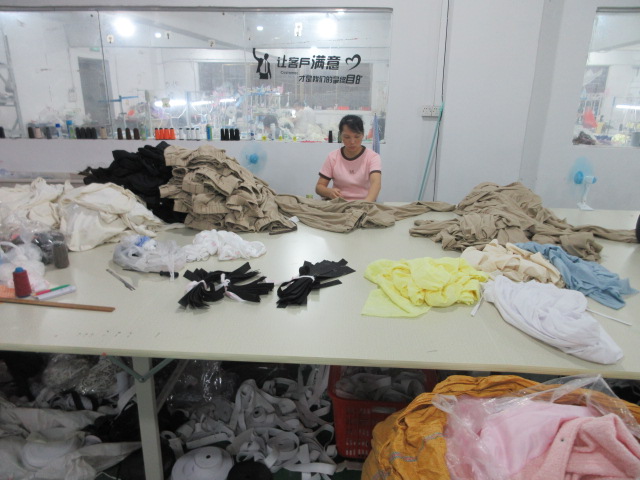
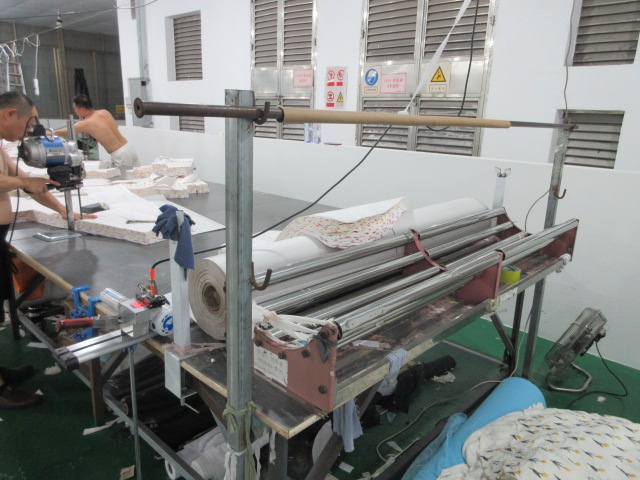
Modern workwear manufacturing in China has transitioned from labor-heavy assembly to high-precision, smart digital facilities. Advanced Chinese factories integrate Computer-Aided Design (CAD) Nesting Systems with robotic cutting tables. This optimizes fabric utilization and reduces material waste by up to 12% compared to standard cutting techniques.
Through the execution of a computerized Manufacturing Execution System (MES), production managers can track the status of each batch in real-time. Automated barcoding systems trace each overall fabric lot from the initial dye facility to final inspection. This guarantees full raw-material transparency, which is vital when verifying flame-retardant (FR) credentials for offshore drilling environments.
Moreover, the proximity to robust textile clusters in Southern China allows manufacturers to source niche materials—such as Nomex aramid fibers, specialized Kevlar reinforcement zones, and water-repellent eco-coatings—with minimal local transit time. This localized ecosystem builds resilient supply chains that protect international clients from shipping delays and material shortages.
Shenzhen Jedia Clothing Co., Ltd. — Your Reliable Apparel Manufacturing Partner
Shenzhen Jedia Clothing Co., Ltd. is a professional garment manufacturer committed to delivering high-quality fashion apparel and reliable OEM/ODM solutions to global brands. Based in Shenzhen, China, we have built a strong reputation for combining skilled craftsmanship, efficient production, and flexible manufacturing services to meet the diverse needs of customers worldwide.
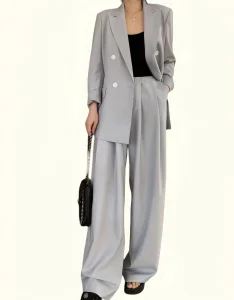
With years of experience in the apparel industry, Jedia specializes in the development and production of a wide range of women's fashion, including dresses, blouses, tops, skirts, pants, knitwear, resort wear, crochet garments, activewear, loungewear, and customized fashion collections. We work closely with fashion brands, wholesalers, retailers, e-commerce sellers, and department stores to transform creative ideas into market-ready products.
Our experienced team consists of professional designers, product developers, pattern makers, merchandisers, production managers, quality control specialists, and skilled sewing technicians. Every stage—from fabric sourcing and sample development to bulk production, quality inspection, and shipment—is managed under strict quality standards to ensure consistency, efficiency, and customer satisfaction.
At Jedia, we understand that every brand has unique requirements. Therefore, we offer flexible OEM and ODM manufacturing services, low minimum order quantities for selected styles, rapid sample development, and customized solutions tailored to our clients' business goals. Our extensive supplier network enables us to source a wide variety of fabrics, trims, embroidery, printing, and washing techniques to support both classic and trend-driven collections.
Quality is at the core of everything we do. We maintain comprehensive quality control procedures throughout the manufacturing process, ensuring every garment meets international standards for workmanship, fit, and durability. Our commitment to continuous improvement, ethical manufacturing practices, and on-time delivery has earned us the trust of customers around the world.
Today, Shenzhen Jedia Clothing Co., Ltd. proudly serves clients across North America, Europe, Australia, the Middle East, and Asia. Whether you are launching a new fashion label or expanding an established brand, we are dedicated to providing dependable manufacturing services, competitive pricing, and long-term partnership support.
At Jedia, we don't just manufacture garments—we help build successful fashion brands.
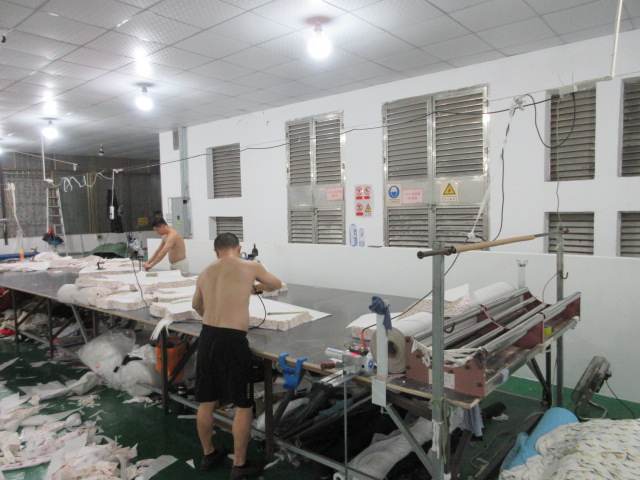
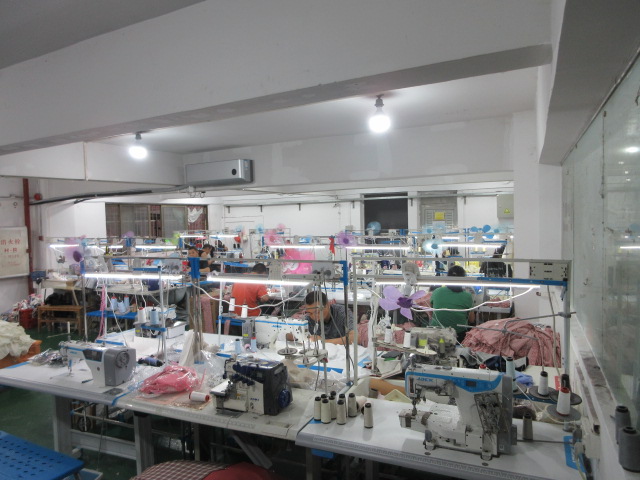
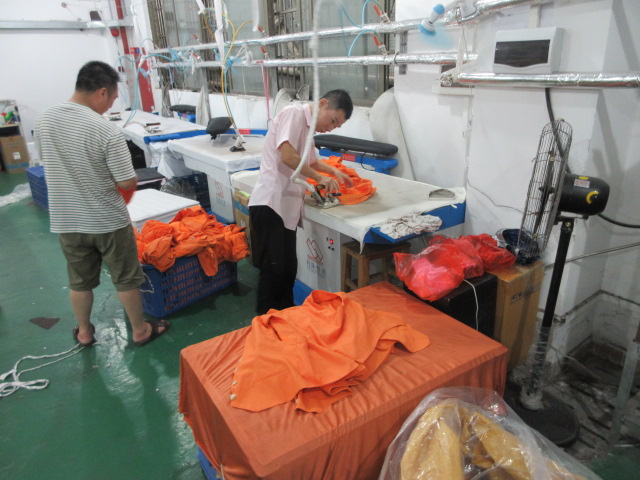
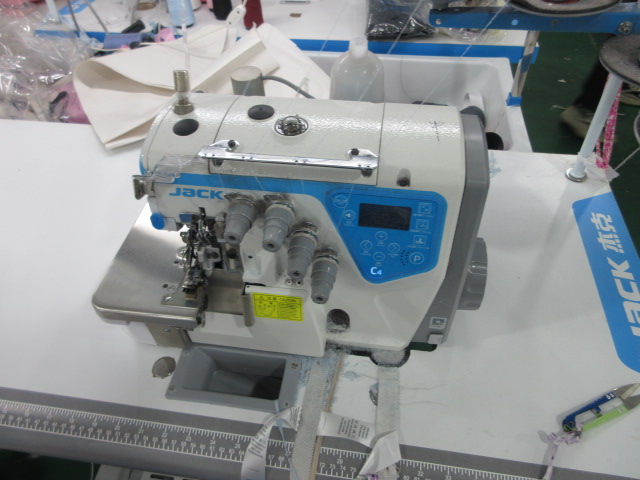
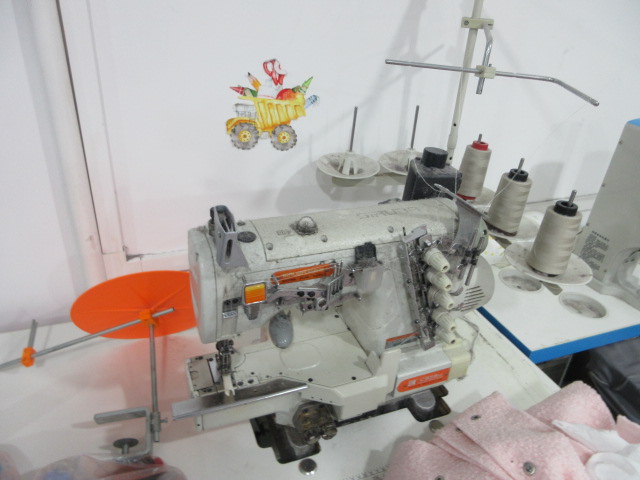
Matching dynamic workwear specs to the unique regional climates and industrial roles around the globe.
High-visibility bib overalls featuring water-resistant finishes are essential for port crew members and intermodal freight operators. Pockets must fit rugged industrial scanners and fleet log devices.
Demands heavy 300GSM+ cotton canvas fabric designs integrated with ergonomic knee pad pockets and triple-stitched joints. Focuses on durability and meeting strict CE workplace safety regulations.
Requires lightweight inherently flame-retardant (IFR) fabrics that provide high thermal protective performance (TPP) while maintaining air circulation in desert heat reaching up to 50°C.
Direct answers from our senior textile engineering and supply chain management teams.
Our typical MOQ for custom dyed and styled overalls starts at 500 units per colorway. However, for specialized flame-resistant (FR) fabrics or unique high-visibility combinations, the MOQ is dependent on raw textile yarn availability from the yarn spinner, which we evaluate case-by-case to remain flexible.
We source certified materials like Nomex, Proban, or Pyrovatex treated cotton. Every incoming fabric lot undergoes rigorous independent testing (SGS, Intertek) to verify compliance with EN ISO 11612 and NFPA 2112 specifications. We provide complete testing reports with each production batch.
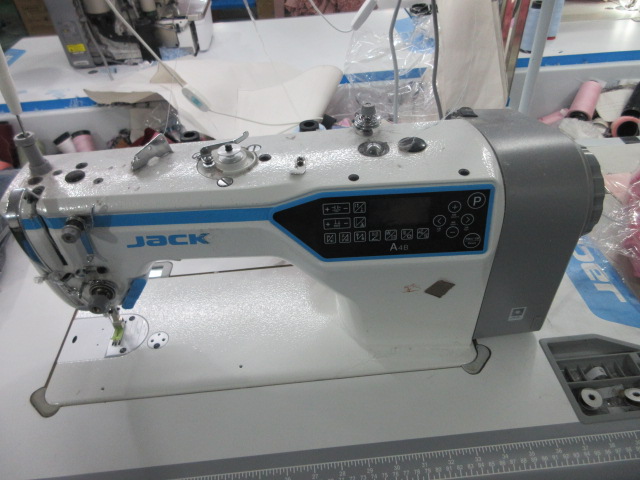
Yes. Our digital pattern making tools allow for complete customization of pockets, loops, zipper paths, and strap adjustments. We utilize YKK fire-resistant brass zippers and reinforced alloy buckles to ensure longevity in high-stress work settings.
Standard prototype patterns are developed and sewn within 7 to 10 working days, depending on fabric availability. Once prototype fits are signed off, our production cycle is completed in 35 to 45 days, supported by our efficient logistics network in Shenzhen.
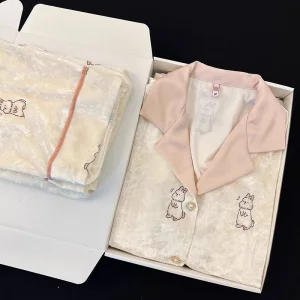
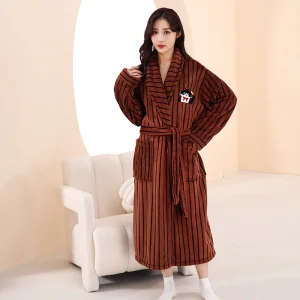
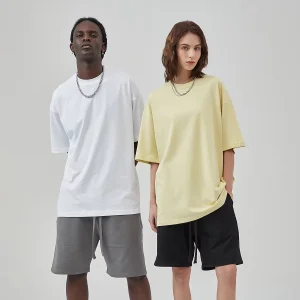
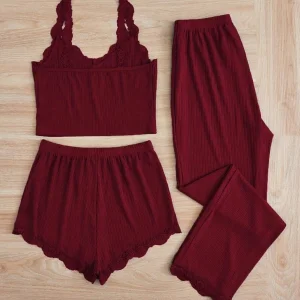
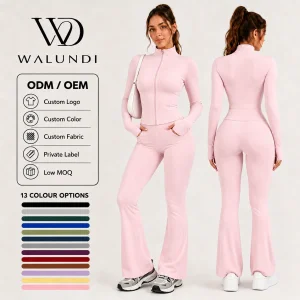
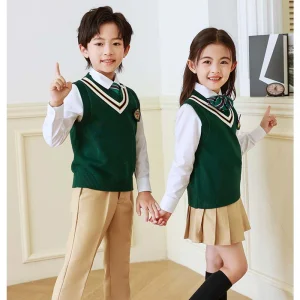
Explore our extended OEM capabilities, covering activewear, loungewear, custom uniforms, and premium sleepwear lines.
 Jedia Clothing