
The global vintage wear and retro-heritage apparel market has transitioned from a niche collector's ecosystem into a multi-billion-dollar industrial supply chain. Historically dominated by local thrift sorting networks, the contemporary demand curve is driven by high-fidelity retro apparel reproductions. This evolution is spurred by consumer demand for classic aesthetics combined with modern size ranges, hygienic assurances, and high-performance technical fabrics.
For global retail enterprises, the logistics of sourcing genuine vintage wear at scale presents major roadblocks. Batch inconsistency, accelerated wear and tear, and sizing anomalies make pure secondhand distribution highly volatile. To mitigate this risk, top-tier global buyers are transitioning to the hybrid "New-Vintage" model—contracting highly specialized export manufacturers who can replicate vintage textures, colorations, and silhouettes using robust, sustainable, and modern technical textiles.
According to recent global trade data, the export volume for heritage reproductions and custom vintage-styled performance garments has grown by 18.4% year-over-year. Sourcing agencies in North America, Western Europe, and Oceania are heavily prioritizing manufacturers who possess both the pattern-making sophistication to capture vintage silhouettes and the capacity to run eco-friendly, fast-turnaround production lines.
Secondhand vintage supply is dwindling due to fast-fashion dominance in past decades. Brands now look to reproduce high-quality retro designs using clean, predictable, and certified fabrics.
Integrating modern fibers like organic bamboo, high-tensile cotton, and recycled polyester blends ensures vintage silhouettes withstand modern wear and commercial washing protocols.
Based in Shenzhen, the hub of global hardware and manufacturing technology, companies like Shenzhen Jedia Clothing Co., Ltd. leverage a complete upstream and downstream cluster. Fabric mills, specialized dye houses, high-speed custom printing, and smart accessories suppliers are located within a 50-kilometer radius, drastically reducing lead times and prototyping bottlenecks.
Replicating historical silhouettes requires exceptional detail in seam engineering and drapery. Utilizing CAD-guided design suites, pattern makers can translate vintage garments from photographs or archival files into digital grading profiles. This guarantees that modern garments retain authentic vintage silhouettes while conforming to standardized global size charts.
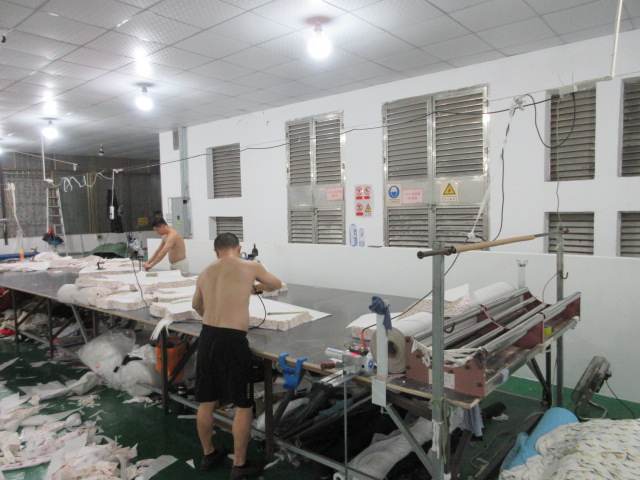
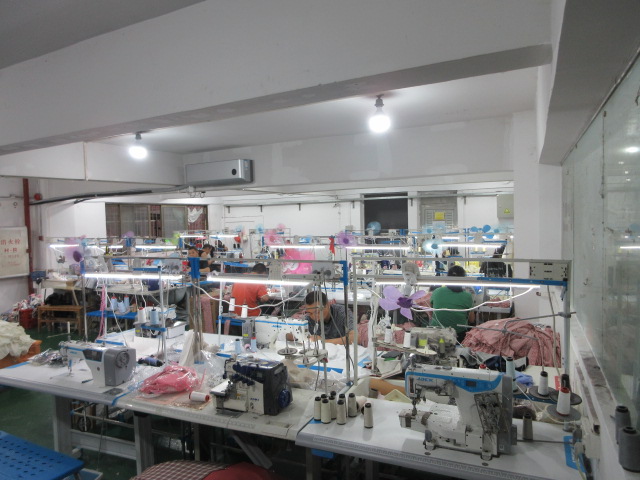
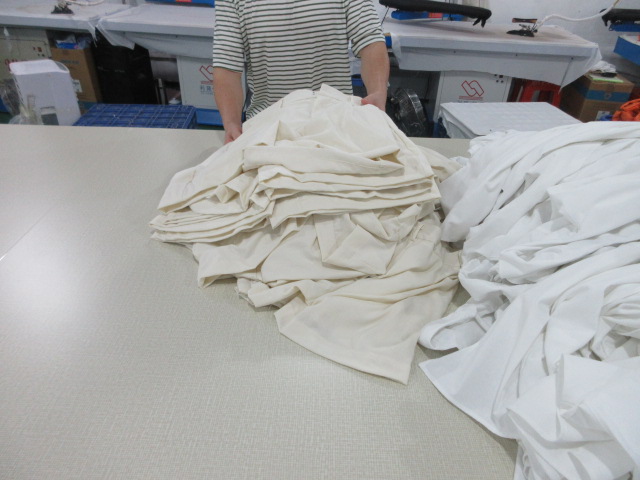
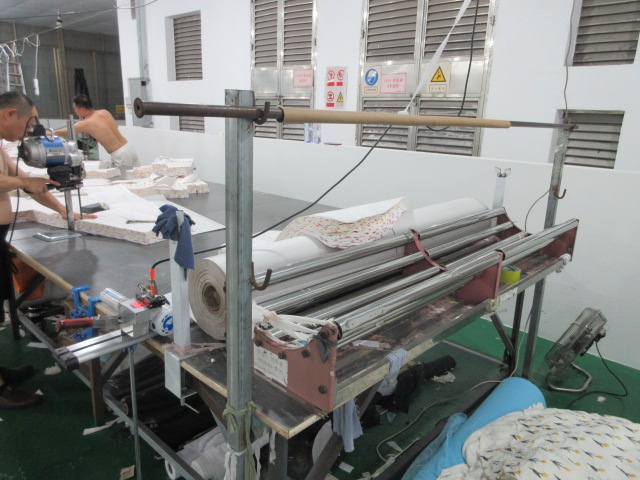
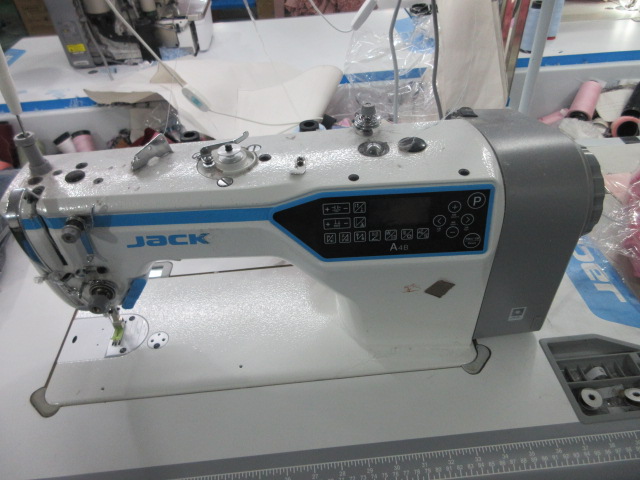
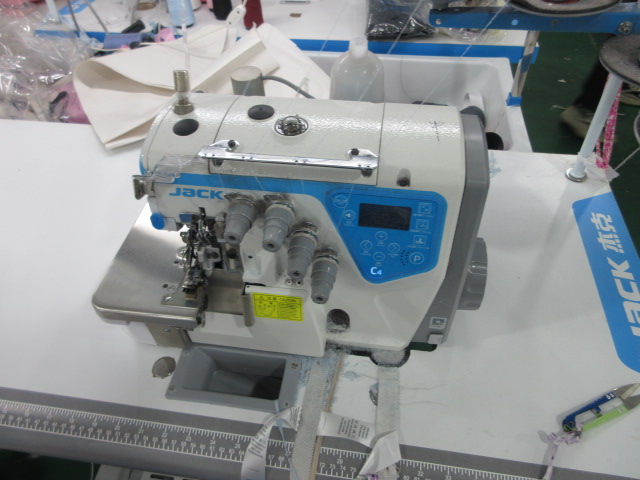
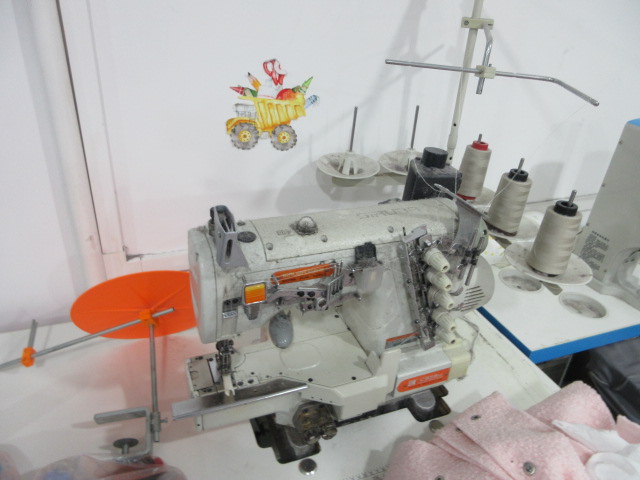
By combining classic sewing craftsmanship with computerized cutting machines, pneumatic overlockers, and programmable embroidery stations, the Shenzhen manufacturing ecosystem balances complex aesthetic details with high structural durability, ensuring long-term wearability.
Shenzhen Jedia Clothing Co., Ltd. is a professional garment manufacturer committed to delivering high-quality fashion apparel and reliable OEM/ODM solutions to global brands. Based in Shenzhen, China, we have built a strong reputation for combining skilled craftsmanship, efficient production, and flexible manufacturing services to meet the diverse needs of customers worldwide.
With years of experience in the apparel industry, Jedia specializes in the development and production of a wide range of women's fashion, including dresses, blouses, tops, skirts, pants, knitwear, resort wear, crochet garments, activewear, loungewear, and customized fashion collections. We work closely with fashion brands, wholesalers, retailers, e-commerce sellers, and department stores to transform creative ideas into market-ready products.
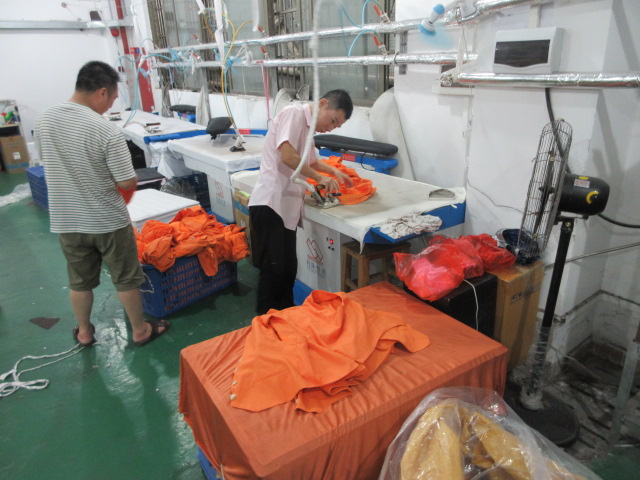
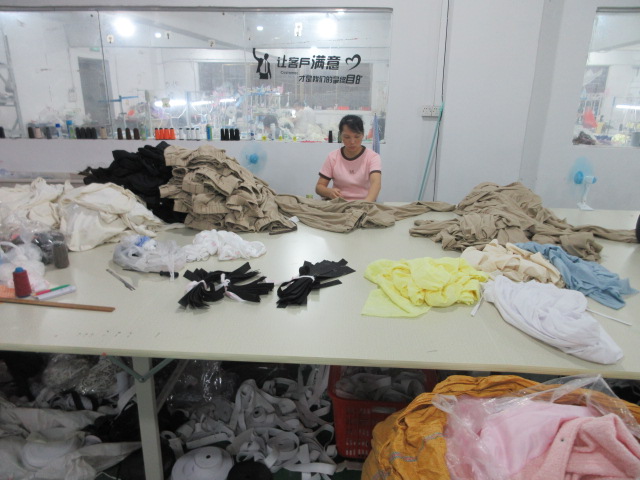
Our experienced team consists of professional designers, product developers, pattern makers, merchandisers, production managers, quality control specialists, and skilled sewing technicians. Every stage—from fabric sourcing and sample development to bulk production, quality inspection, and shipment—is managed under strict quality standards to ensure consistency, efficiency, and customer satisfaction.
At Jedia, we understand that every brand has unique requirements. Therefore, we offer flexible OEM and ODM manufacturing services, low minimum order quantities for selected styles, rapid sample development, and customized solutions tailored to our clients' business goals. Our extensive supplier network enables us to source a wide variety of fabrics, trims, embroidery, printing, and washing techniques to support both classic and trend-driven collections.
Quality is at the core of everything we do. We maintain comprehensive quality control procedures throughout the manufacturing process, ensuring every garment meets international standards for workmanship, fit, and durability. Our commitment to continuous improvement, ethical manufacturing practices, and on-time delivery has earned us the trust of customers around the world.
Today, Shenzhen Jedia Clothing Co., Ltd. proudly serves clients across North America, Europe, Australia, the Middle East, and Asia. Whether you are launching a new fashion label or expanding an established brand, we are dedicated to providing dependable manufacturing services, competitive pricing, and long-term partnership support. At Jedia, we don't just manufacture garments—we help build successful fashion brands.
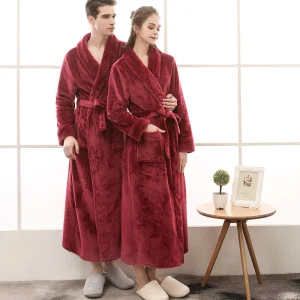
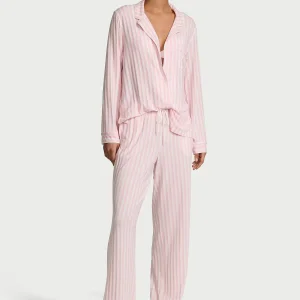
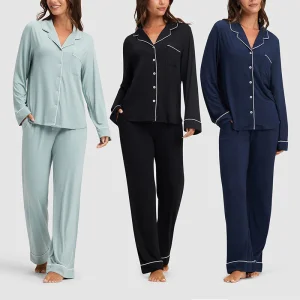
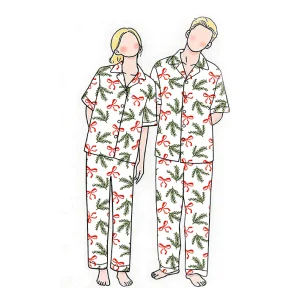
Direct-to-consumer (DTC) digital brands requiring agile production pipelines. Fast iterations of vintage loungewear, custom printed pajamas, and high-fashion retro collections need to match seasonal trends quickly.
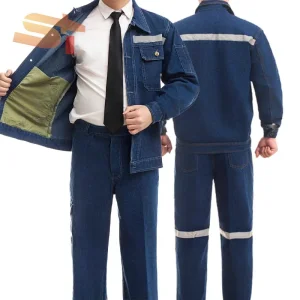
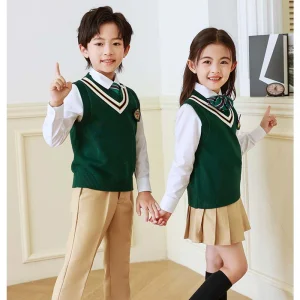
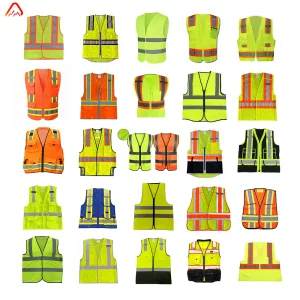
Service sectors, premium hospitality networks, and academic institutions seeking tailored uniform sets. These programs demand durable fabrics, consistent size grading, and professional wear-resistance parameters.
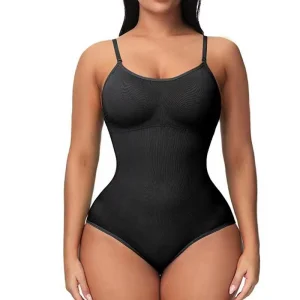
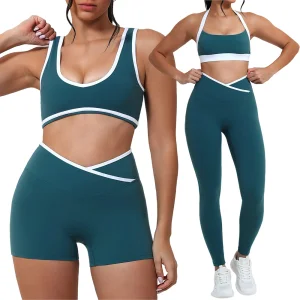
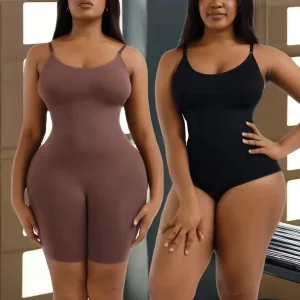
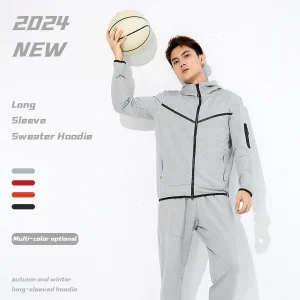
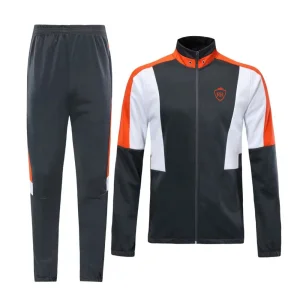
Fitness gyms and athleisure brands implementing historical sports silhouettes. Integrating custom-designed yoga sets, heavy-duty winter tracksuits, and seamless shapewear allows brands to bridge heritage aesthetics with modern performance engineering.
As environmental regulations tighten in target markets like Western Europe and North America, buyers are shifting toward closed-loop fabrics. Sourcing certified organic bamboo jersey, recycled cotton, and bio-derived spandex is becoming the standard baseline for international importing.
Modern suppliers are using data-driven forecasting to predict trending fits and color schemes before they hit mainstream channels. This allows brands to run leaner inventory cycles, drastically minimizing waste and deadstock.
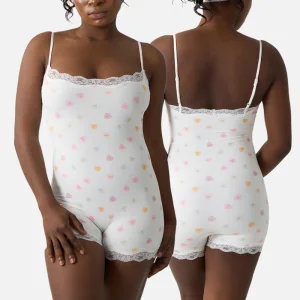
The intersection of shapewear comfort with everyday outerwear is creating a massive category expansion. Modern consumers demand body-sculpting properties integrated into retro-styled bodysuits, workwear sets, and customized casual wear.
By utilizing digital prototyping software, export manufacturers can simulate fabric drape and fit on 3D virtual avatars. This speeds up approval workflows and cuts down on courier emissions from physical sample shipping.
To maintain brand integrity and prevent port customs delays, global importing managers should assess the following key parameters when onboarding clothing manufacturers.
Confirm the supplier utilizes OEKO-TEX certified dyes and raw fabrics that are free of AZO compounds, formaldehyde, and heavy metals, meeting strict regional import laws.
Ensure the production plant undergoes regular third-party compliance checks verifying fair compensation, safe facilities, and ethical production practices.
Check that key performance materials undergo testing for dimensional stability, color retention over washing cycles, and seam strength limits prior to packing.
 Jedia Clothing