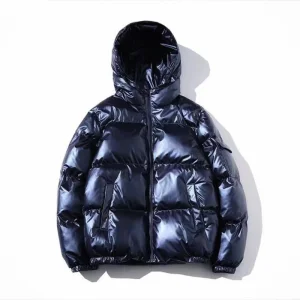
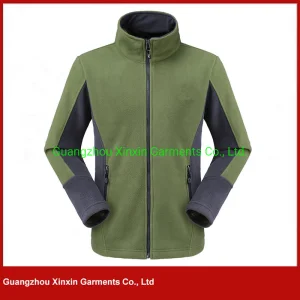
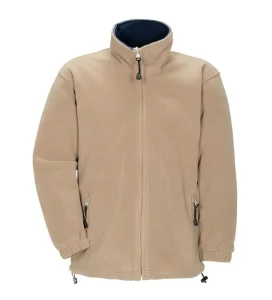
Explore our high-performance outerwear selections manufactured to withstand regional microclimates and engineered for global retail standards. Optimized for trade distribution, these items combine functional weather protection with contemporary design aesthetics.
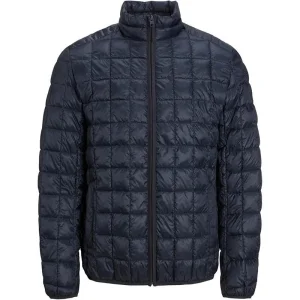
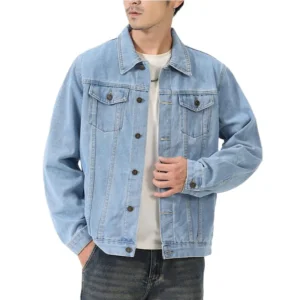
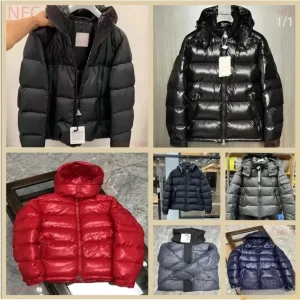
Vietnam has firmly established itself as a premier global hub for apparel manufacturing, driven by dynamic export capabilities, skilled labor resources, and competitive manufacturing structures. For global outerwear brands and retailers, Vietnam offers an advantageous production market that continues to capture significant market share from traditional apparel hubs.
In recent years, the textile and apparel sector in Vietnam has transitioned from low-value Cut-Make-Trim (CMT) services to high-value Original Equipment Manufacturer (OEM) and Original Design Manufacturer (ODM) integrations. This technological advancement is especially critical for technical outerwear, which requires precise insulation alignment, seam taping, and advanced waterproofing processing. Backed by extensive local manufacturing plants in northern and southern industrial parks, Vietnam's apparel industry caters seamlessly to buyers across Europe, North America, and the Asia-Pacific region.
Vietnam’s strategic participation in major Free Trade Agreements (FTAs) including the EVFTA, CPTPP, and RCEP, grants international brands preferential tariff access to key consumer markets, establishing Vietnam as an essential diversification partner.
While Vietnam boasts unparalleled assembly scale and tariff advantages, sourcing raw technical fabrics, hardware components, and initiating rapid prototyping is highly efficient in the Pearl River Delta. As a progressive manufacturer, Shenzhen Jedia Clothing Co., Ltd. leverages a highly optimized "Shenzhen R&D + Regional Assembly" dual-supply chain framework to offer global clients the best of both worlds.
Our Shenzhen Operations Center: Located in China's technology capital, Shenzhen Jedia handles complex design development, digital pattern drafting, fabric R&D (including sourcing GRS-certified recycled materials, advanced TPU membranes, and high-performance trims), and rapid sampling. This ensures that the technical specifications of your outerwear garments are meticulously developed and verified before scaling production.
Regional Supply Coordination: Once patterns and samples are approved, bulk manufacturing can be systematically coordinated using advanced materials sourced via our global network, matching production parameters with export targets. This strategic setup addresses supply chain bottlenecks, ensures stable material flows, and bypasses local capacity limitations.
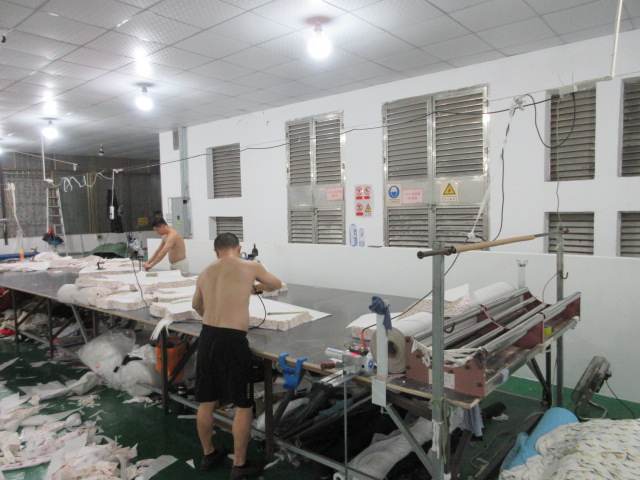
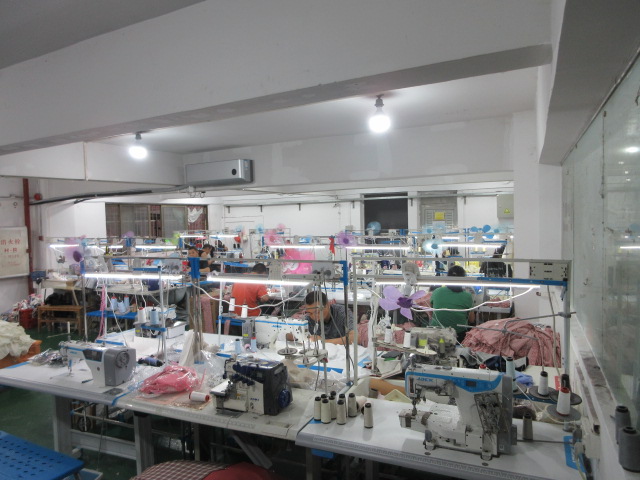
Quality is at the core of everything we do. Our comprehensive production facilities operate under strict quality management systems (QMS), assuring that every cutting, sewing, and pressing process meets rigid international standards. Below is an overview of our active facility operations:
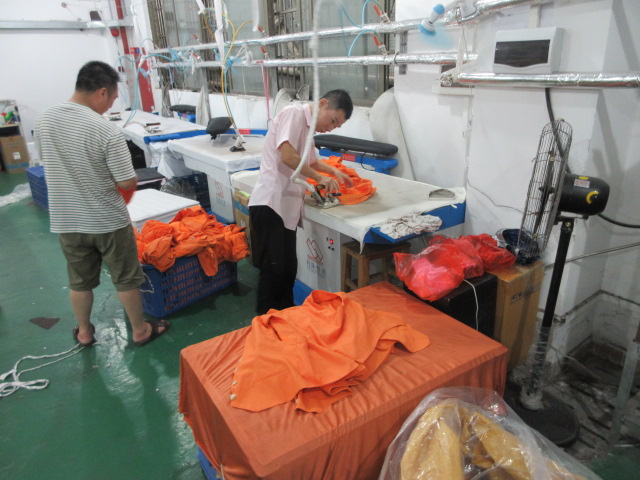
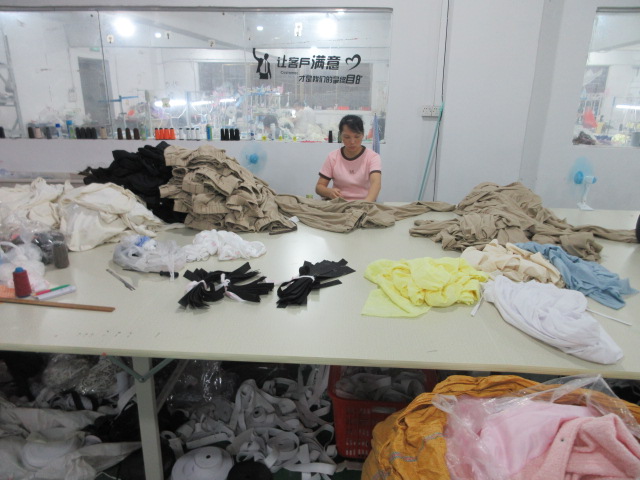
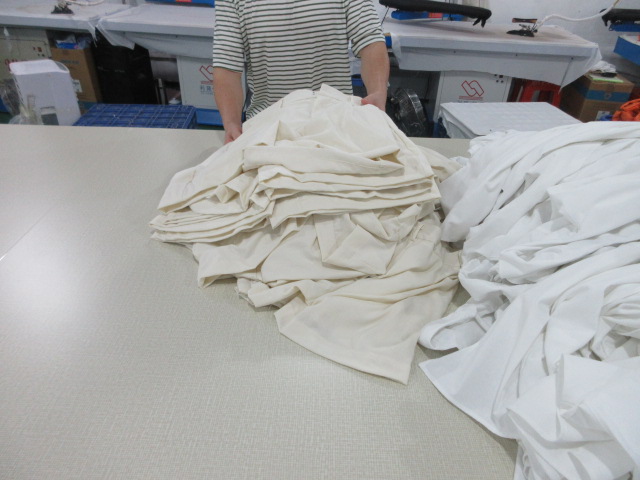
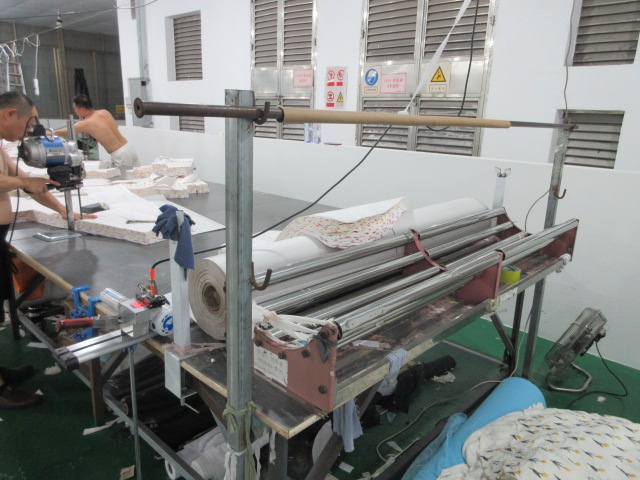
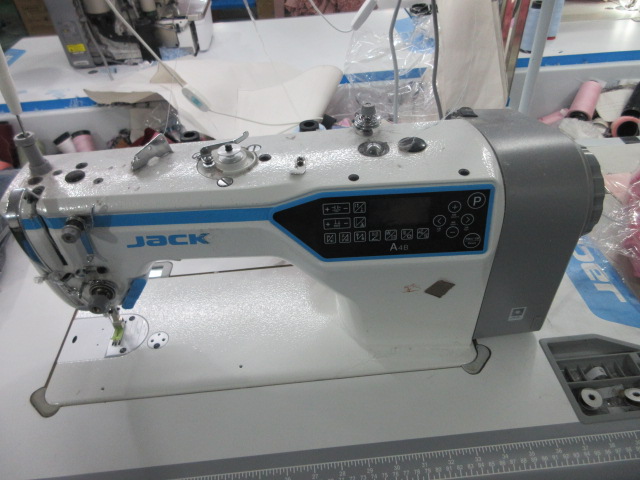
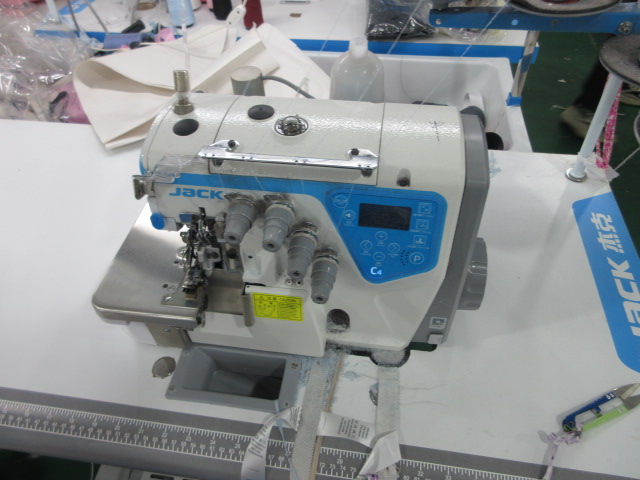
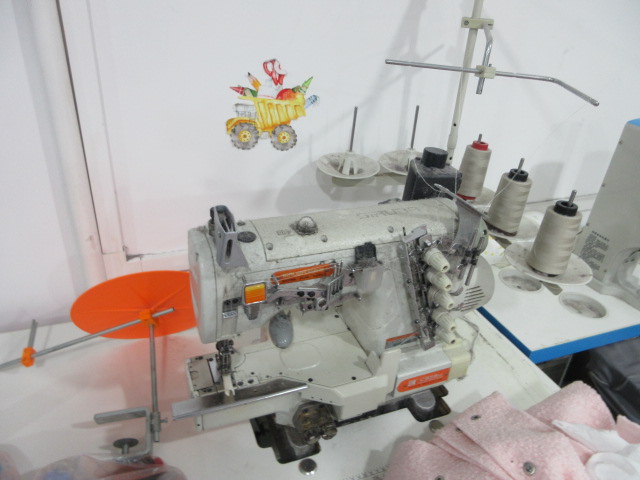
Navigating global customs and compliance is a complex undertaking for international outerwear buyers. High-performance outerwear requires rigorous certification across all levels of the manufacturing chain to ensure environmental responsibility, chemical safety, and durable product lifecycle management.
We prioritize sourcing materials that meet global eco-standards. This includes Global Recycled Standard (GRS) polyester fibers for eco-conscious puffers and windbreakers, and sourcing faux fur trims that are cruelty-free yet maintain the premium thermal profile of traditional furs. Fabrics are audited to be free from harmful chemicals, meeting the stringent rules set out by OEKO-TEX Standard 100 and REACH protocols.
Outerwear destined for winter regions or monsoon zones undergo strict physical testing. We inspect Hydrostatic Head Ratings (waterproofness metrics up to 10,000mm+), breathability index (g/m²/24hrs), seam strength, down-proof fabric construction, and colorfastness under wet conditions. This technical approach guarantees end-consumer satisfaction and reduces return rates for retail brands.
Ethical sourcing is non-negotiable. Our collaborative manufacturing sites comply with the Business Social Compliance Initiative (BSCI), ensuring fair wages, workplace safety, and prohibition of child or forced labor. Our transparency across production stages provides brands with absolute confidence during third-party site audits.
We implement the standard Acceptable Quality Limit (AQL) 2.5 protocol for final batch inspections. This involves strict checking of stitch counts, symmetric dimensions, metal component functionalities, and packaging integrity before container dispatch.
Different markets present distinct atmospheric and lifestyle demands. Our product development cycles specifically optimize outerwear categories to align with these diverse regional applications:
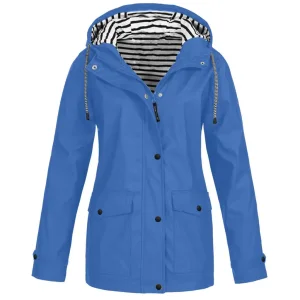
High-humidity regions require lightweight, fast-drying outer layers with highly durable water repellent (DWR) finishes. Our custom windbreakers and light shells are perfect for the humid, damp climates of Da Lat, Sapa, and coastal areas during monsoon seasons.
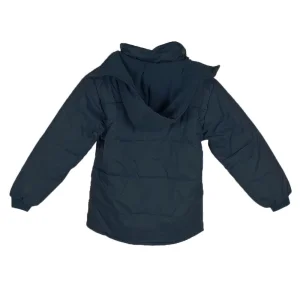
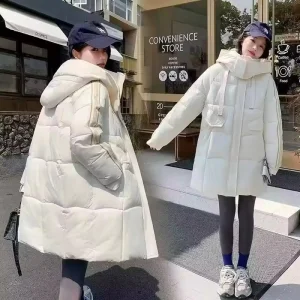
For export channels heading to North America, Europe, or Northeast Asia, we develop high-fill down puffers, insulated sherpa jackets, and parkas featuring faux-fur trim to withstand extreme sub-zero weather conditions.
Designed for the modern commuter, our denim coats and quilted polyester vests balance fashion aesthetics with lightweight protection. These garments serve as transit-ready layers, blending in with casual and workwear outfits alike.
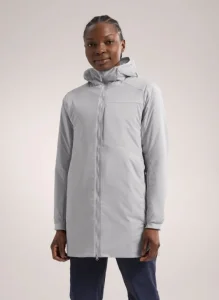
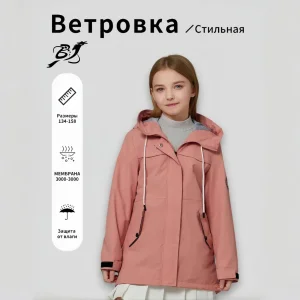
Browse our complete export collection featuring men's, women's, and children's outerwear. Available for custom OEM/ODM development with custom labels, private packaging, and specialized sizing ranges.
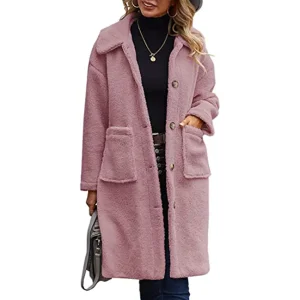


The global outerwear sector is shifting toward digitalized design integration, functional versatility, and heightened transparent value chains. B2B procurement professionals must look beyond base manufacturing costs to evaluate factory adaptability and technological integration:
Modern retailers require precise dimension grading, particularly when manufacturing plus-size apparel and technical adventure wear. Utilizing automated CAD markers and pattern digitizers minimizes material waste, reduces production delays, and translates to highly competitive unit costs during pricing rounds.
Relying on a single manufacturing origin introduces supply vulnerability. A "China+1" model—leveraging Shenzhen’s design, R&D, and raw material access alongside regional manufacturing hubs—secures supply integrity against shifting labor metrics, trade disputes, and freight variations.
Modern outerwear consumers expect lightweight performance. Innovations in synthetic insulation emulate the high warmth-to-weight ratio of down while retaining performance under wet conditions. Combining these fills with water-repellent shell fabrics allows brands to launch high-performance apparel lines without premium cost overheads.
Gain insights into how our dual-hub production ecosystem works, pricing structures, compliance details, and shipping operations for international brands.
 Jedia Clothing