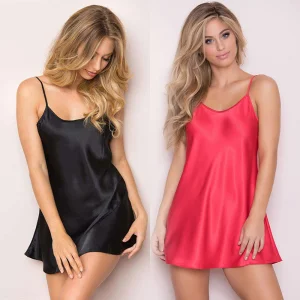
In the highly competitive international apparel market, sourcing performance-grade jackets is no longer a simple transactional purchase. It demands an integrated understanding of materials science, ergonomic design, supply chain responsiveness, and manufacturing excellence. As brands pivot toward functional outerwear that balances fashion with protection, China’s high-tech manufacturing corridors have become the backbone of global B2B jacket supply networks.
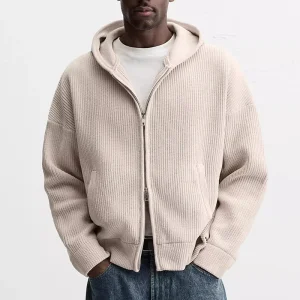
The modern jacket industry spans several overlapping domains, including high-performance outdoor shell systems, urban streetwear, professional workwear, and fast-fashion collections. Sourcing managers face the continuous challenge of securing manufacturers that can implement specialized treatments such as Durable Water Repellent (DWR) coatings, ultrasonic seam-welding, and automated down filling while keeping turnaround times low and quality indicators high.
Engineered for extreme environments, these garments require technical membranes like PTFE or TPU laminates, sealed seams, and high hydrostatic head ratings (up to 20,000mm) to resist heavy downpours while offering high breathability metrics (MVTR).
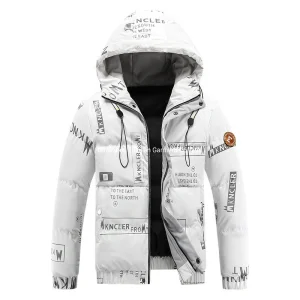
Characterized by custom prints, complex material compositions (such as heavy canvas, memory fabrics, and satin), and premium insulation layers (cotton-puffer blends, duck down) built around contemporary boxy or oversized fits.
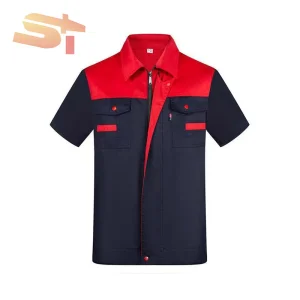
Designed for absolute utility and workplace safety, prioritizing high abrasion resistance, reinforced seam construction, flame-retardant properties, and anti-static fibers to meet stringent protective safety regulations globally.
Shenzhen Jedia Clothing Co., Ltd. is a premier, highly professional garment manufacturer committed to delivering high-quality fashion apparel and reliable OEM/ODM solutions to global brands. Based in Shenzhen, China, we have built a strong reputation for combining skilled craftsmanship, efficient production, and flexible manufacturing services to meet the diverse needs of customers worldwide.
With years of experience in the apparel industry, Jedia specializes in the development and production of a wide range of women's fashion, including dresses, blouses, tops, skirts, pants, knitwear, resort wear, crochet garments, activewear, loungewear, and customized fashion collections. We work closely with fashion brands, wholesalers, retailers, e-commerce sellers, and department stores to transform creative ideas into market-ready products.
Our experienced team consists of professional designers, product developers, pattern makers, merchandisers, production managers, quality control specialists, and skilled sewing technicians. Every stage—from fabric sourcing and sample development to bulk production, quality inspection, and shipment—is managed under strict quality standards to ensure consistency, efficiency, and customer satisfaction.
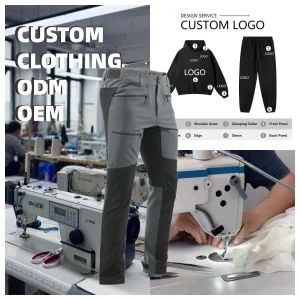
At Jedia, we understand that every brand has unique requirements. Therefore, we offer flexible OEM and ODM manufacturing services, low minimum order quantities (MOQ) for selected styles, rapid sample development, and customized solutions tailored to our clients' business goals. Our extensive supplier network enables us to source a wide variety of fabrics, trims, embroidery, printing, and washing techniques to support both classic and trend-driven collections.
Quality is at the core of everything we do. We maintain comprehensive quality control procedures throughout the manufacturing process, ensuring every garment meets international standards for workmanship, fit, and durability. Our commitment to continuous improvement, ethical manufacturing practices, and on-time delivery has earned us the trust of customers around the world.
"At Jedia, we don't just manufacture garments—we help build successful fashion brands."
The international outerwear landscape is highly seasonal and prone to sudden shifts in design trends. In this environment, China's jacket manufacturing infrastructure provides distinct operational advantages. While regional hubs offer lower basic labor rates, China stands out for its high cluster density, technical expertise, and industrial efficiency.
Within key textile clusters in Guangdong, Zhejiang, and Fujian, all components—from technical membranes and high-strength threads to specialty zippers (like YKK or SBS waterproof zippers) and snaps—are sourced within a 50-mile radius. This geographical cluster reduces material sourcing times to just 2-3 days.
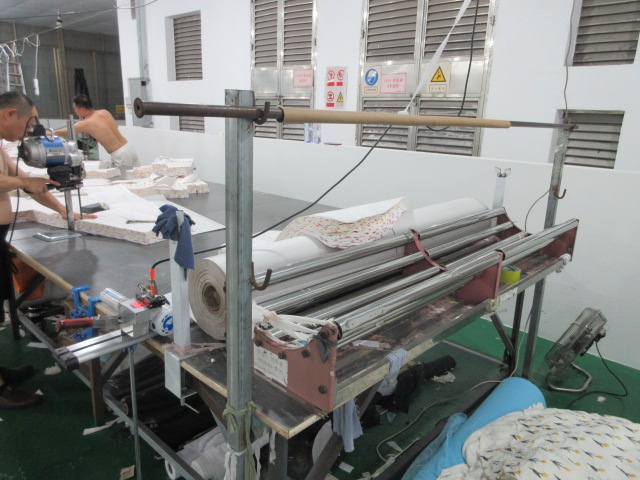
Chinese factories excel at rapid prototyping. Using digital pattern-making (CAD) and automated laser cutters, they can translate conceptual tech packs into high-fidelity physical samples within 3 to 7 working days, allowing brands to quickly adapt to evolving fashion seasons.
Our strategic manufacturing base in Shenzhen provides access to deep-water ports (Yantian and Shekou) and air transport infrastructure. This ensures streamlined customs routing and faster delivery times to major global consumer markets.
Different regions present unique environmental challenges and consumer expectations. Effective outerwear manufacturing requires modifying fabric specifications, ventilation designs, and functional trims to match these distinct regional conditions.
For regions such as the Pacific Northwest and the Rocky Mountains, consumer demand is driven by outdoor exploration. Jackets for these areas require multi-layer laminate shells, fully taped construction, and underarm pit zips for heat management. Outer fabrics must feature Durable Water Repellent (DWR) treatments that resist abrasion from heavy brush and rock surfaces.
European markets place a high priority on sustainability, clean styling, and practical utility. Commuter jackets require recycled face fabrics, water-resistant zippers, and integrated reflective detailing that blends into the design. Sizing must be adjusted for tailored European fits, and insulation fill should be optimized for moderate maritime climates.
In Tokyo, Seoul, and Shanghai, the boundary between performance wear and casual fashion has blurred. Techwear and streetwear brands require modular features like removable sleeves, magnetic hardware, and structured fabrics. These styles emphasize drop-shoulder profiles, vintage nylon textures, and unique screen-printed details.
Commercial workwear designs focus on reliability and physical protection. These jackets utilize heavy canvas or high-denier polyester outer shells with reinforced stress points. They are engineered to withstand dirt, grease, and industrial washing cycles while keeping workers warm and protected.
The future of jacket manufacturing is driven by three main factors: material performance, process automation, and ecological sustainability. As global environmental regulations tighten, the technology stack of premium outerwear factories is evolving to include clean and smart production techniques.
Replacing traditional petrochemical laminates with plant-based polyurethane coatings and ocean-bound recycled polyester. Factories are adjusting hot-melt adhesive temperatures and bonding pressures to process these eco-friendly materials without compromising performance.
Minimizing needle punctures is essential for optimal waterproofing. Advanced lines are adopting ultrasonic rotary welding to fuse fabrics directly, eliminating thread failures and reducing water ingress at structural seams.
Using 3D CAD modeling to simulate fabric draping and tension points virtually before cutting. This digital workflow reduces sampling waist fabric by up to 25% and ensures highly consistent pattern matching for complex print placements.
To export jackets successfully to North America, Europe, and Asia, factories must adhere to strict regulatory frameworks. Maintaining compliance across these standards ensures product safety, environmental responsibility, and reliable quality for global distribution.
Compliance with OEKO-TEX Standard 100 and REACH regulations ensures all fabrics, zippers, and trims are free from harmful chemicals, heavy metals, and restricted substances like formaldehyde.
Adhering to ethical manufacturing practices through BSCI or WRAP standards. This guarantees safe working conditions, fair compensation, and transparent labor practices at every stage of production.
Operating under ISO 9001 guidelines. Every jacket style undergoes performance testing, including seam-strength evaluations, color fastness checks, water resistance verification, and shrinkage tests.
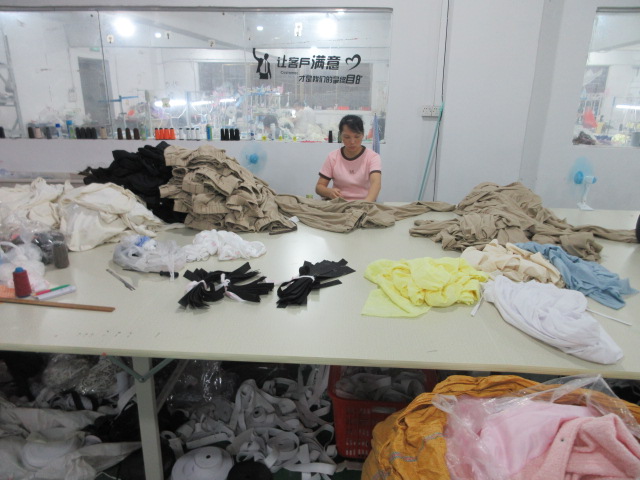
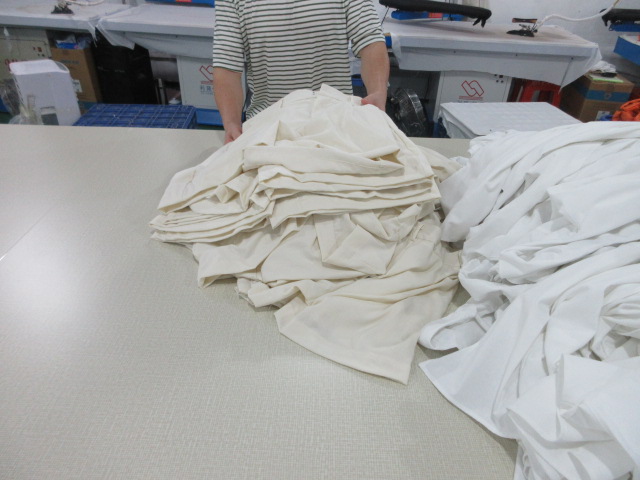
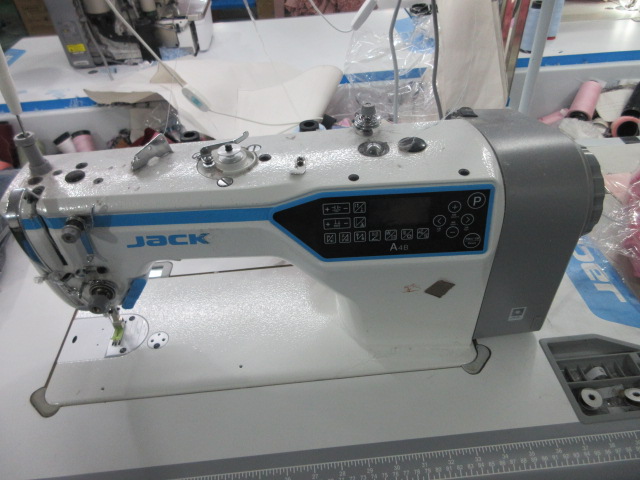
Our manufacturing process follows strict operational protocols to ensure design accuracy and consistent quality across every batch.
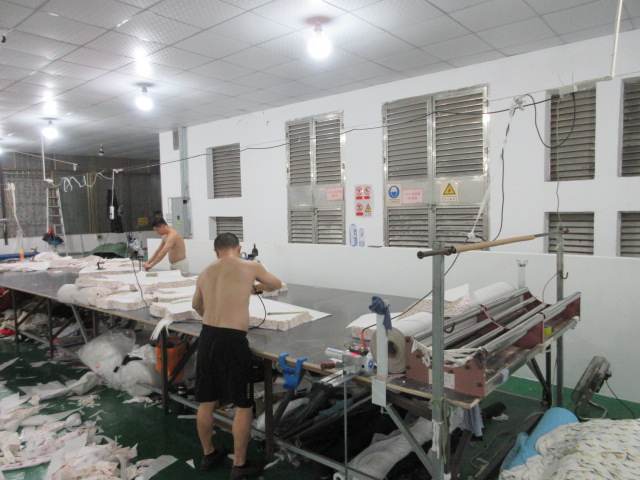
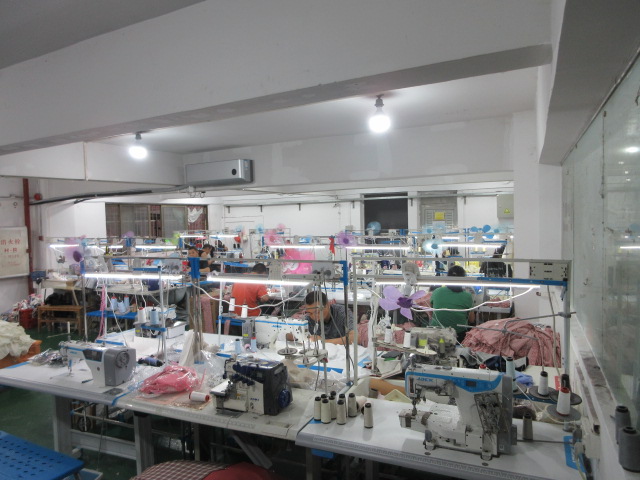
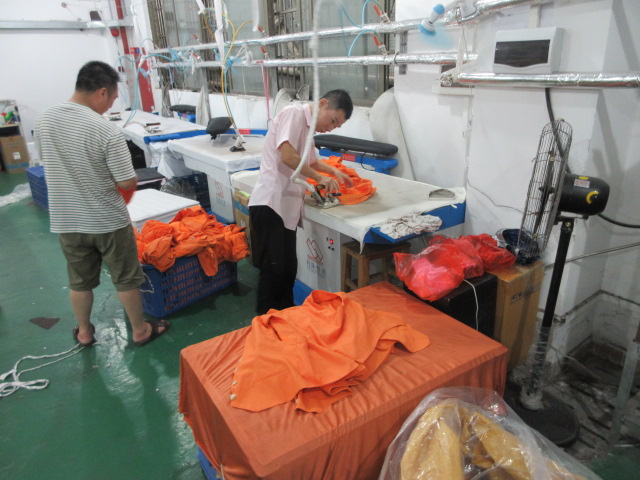
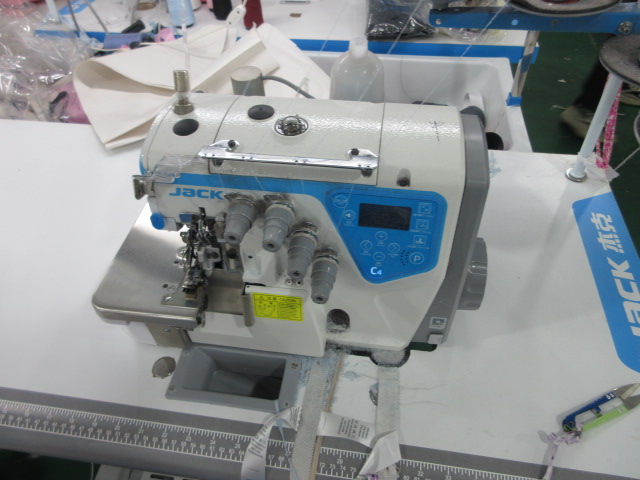
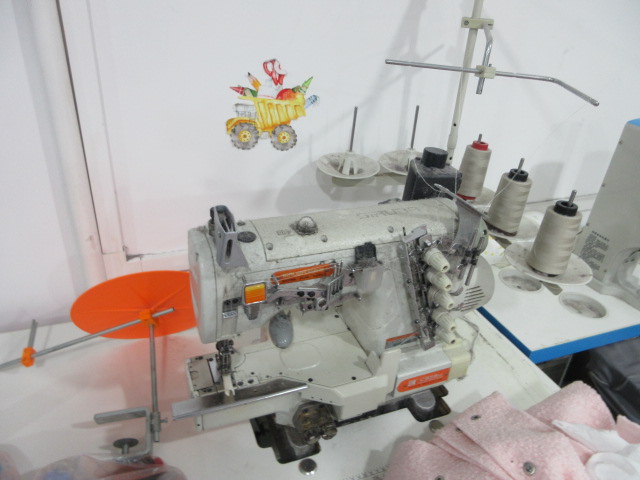
Key sourcing queries addressed by our technical apparel manufacturing and export team
 Jedia Clothing